
Acts 13 | Renewed Sending
Weekend Message
Acts Chat - Video Podcast
Weekly Resources
Download This Week’s Resources:
Acts 13 Weekly Overview & Daily Devotions
-
Monday | Acts 13:1-3
Tuesday | Acts 13:4-12
Wednesday | Acts 13:13-41
Thursday | Acts 13:42-52
Friday | Acts 13:51-52
-
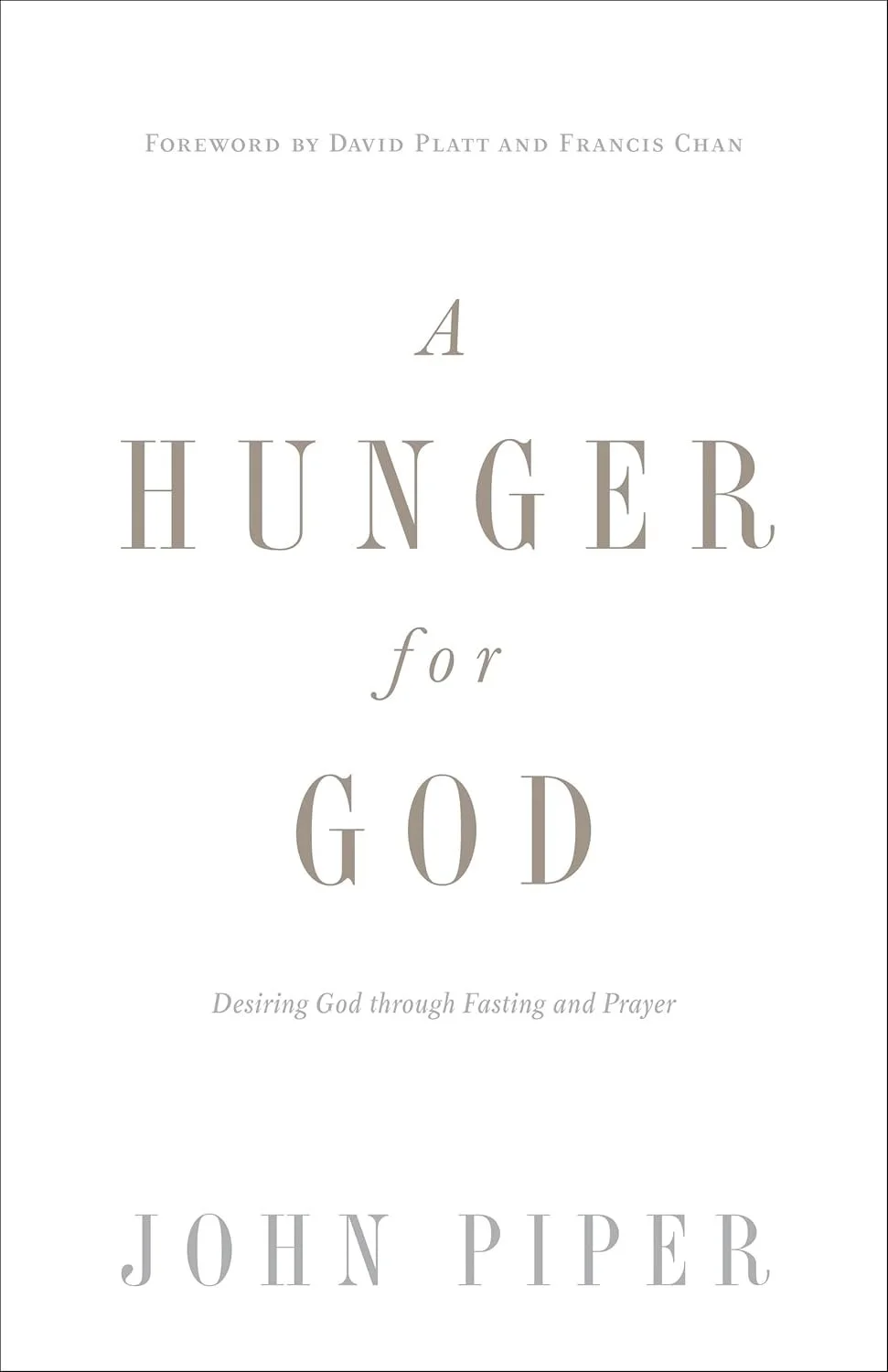
Practicing Fasting and Prayer
Acts 13:2-3: “While they were worshiping the Lord and fasting, the Holy Spirit said, ‘Set apart for me Barnabas and Saul for the work to which I have called them.’ Then after fasting and praying they laid their hands on them and sent them off.”
What it Involves:
Fasting and prayer is a spiritual discipline that involves abstaining from food (or sometimes other physical comforts) for a specific period, while simultaneously engaging in focused prayer. It's a way to humble oneself before God, seek His guidance, and create space for deeper communion with Him. In Acts 13, the church in Antioch practiced fasting and prayer as they sought the Holy Spirit's direction for their ministry.
How to Practice It:
Determine Your Purpose: Before fasting, clearly define your purpose. Are you seeking guidance, interceding for someone, or expressing repentance?
Plan Your Fast: Decide on the duration and type of fast. This could range from a short, partial fast (e.g., skipping a meal) to a longer, complete fast (with water only).
Set Aside Time for Prayer: Use the time you would normally spend eating to engage in prayer and Bible study. Listen for God's voice and be open to His guidance.
Maintain a Humble Attitude: Fasting is an act of humility, not a display of spiritual superiority. Avoid drawing attention to your fast or seeking praise from others.
Reflect and Respond: After your fast, reflect on what God has revealed to you.
-
“But when you fast, anoint your head and wash your face, that your fasting may not be seen by others but by your Father who is in secret. And your Father who sees in secret will reward you.”
- Matthew 6:17–18 (ESV)
-
Let’s Talk:
In Acts 13 we often focus on the sending and preaching but overlook the worship, prayer, and fasting that served as a catalyst. A catalyst is something that causes change. Worship, prayer, and fasting are often a catalyst for realizing what God is doing.
Questions:
Is there something that made the worship, prayer, and fasting special in Acts 13:1-3?
Hint: “they” is used multiple times
We know that kids and teens skipping meals is not healthy for them, even for fasting. What are some things you could fast from that would help you focus on God more?
Now mix the vinegar Mentos with the baking soda. Nothing. Catalysts can create powerful interactions but only if you use the right catalyst. Worship, prayer, and fasting with God is the right catalyst!
Activity:
Catalyst Crazy
Materials: 2-liter Diet Coke, Mint Mentos, a glass, baking soda, white vinegar
What do you think will happen if you put Mentos in Diet Coke? Put 2-3 Mentos into the bottle. A big reaction.
What do you think will happen if you mix vinegar and baking soda? Put baking soda in the glass then add vinegar. Another reaction!
Now mix the vinegar Mentos with the baking soda. Nothing. Catalysts can create powerful interactions but only if you use the right catalyst. Worship, prayer, and fasting with God is the right catalyst!
Live It Out:
As a family, decide on a time to pray and fast together. It could be about something specific like a decision you need to make or someone that is sick. Or, it could be seeking God’s general direction for your family. It’s difficult to start a new habit, but prayer and fasting is worth it.
-
Can you tell me the purpose of times of prayer and fasting in your own words?
Fasting and prayer puts our focus back on Christ. What is one food item (sugar, pop, dessert) and/or one physical item (social media, video games, certain books, sports) that you could replace with time with the Lord?
1. What’s the hardest part about giving up things for the Lord (surrender)?
Daily Devotionals
-
Monday: Read Acts 13:1-3
Watch Daily DevotionActs 13 marks a pivotal shift in the story of the early Church, transitioning from local ministry to a global mission. What’s remarkable is that this movement doesn't begin with the prominent leaders in Jerusalem, but with a diverse group of believers in Antioch. These men came from a range of ethnic backgrounds, social standings, and political associations, yet they were united in worship, prayer, and fasting. This moment highlights the transformative power of the gospel—those once considered outsiders or even enemies are now prophets, teachers, and, most importantly, brothers. God chose to work through this diverse and unified community, demonstrating that His mission advances not through human strategy or status, but through surrendered hearts and spiritual unity.
It’s easy to fall into the trap of comparing your spiritual journey with others in the Church—believing that God can’t use you because you’re not as knowledgeable as the pastor, as charismatic as the deacon, or as patient as the youth leader. But Acts 13:1–3 shows that God spoke through a group of believers who, from a human perspective, may have seemed less experienced than Saul and Barnabas. Yet these believers prayed, fasted, and listened to the Holy Spirit—and Saul and Barnabas, rather than resisting out of pride, humbly received their guidance and were sent out. This powerful moment of mutual submission reveals that neither insecurity nor pride has a place in the mission of God. Instead, He honors humility and obedience. Through prayer, every believer has equal access to God and a vital role in advancing His kingdom.
Spiritual Practice: Called in Community: Fasting, Prayer, and Mutual Submission
In Acts 13, we see the Church discern God’s direction not through hierarchy or status, but through a community unified in fasting and prayer. God chose to speak through ordinary believers, and even well-known leaders like Saul and Barnabas listened and responded in humility.
Fast With a Posture of Surrender: Begin your fast by humbling your heart. Whether it’s one meal a day or something else you normally depend on.
Pray With a Listening Heart: During your fast, spend intentional time not just talking to God, but listening.
Invite Spiritual Community In: Share what you're hearing with trusted believers. Be willing to receive guidance from others.
Walk in Obedience, Not Comparison: Resist the urge to compare your calling with others. Instead, celebrate how God speaks through different voices and assignments.
Want to Dig Deeper?
Study: Joel 2:12–13, James 4:6–8, Romans 12:4–5, Philippians 2:3–4
-
Tueday: Read Acts 13:4-12
Watch Daily DevotionThe beginning of Acts 13 highlights the power of prayer, where the church, through worship and fasting, set apart Saul and Barnabas for their missionary journey. As their journey begins, we don’t see immediate fruit in the form of conversions, what comes first is confrontation. Yet Paul doesn’t pause to seek fresh guidance or clarity; he responds with boldness, already filled with the Holy Spirit. This moment suggests that the prayer gathering in Antioch wasn’t just the launchpad for their calling it was the preparation that empowered them to face spiritual resistance. Paul was ready, not because he prayed in the moment of crisis, but because he had already been praying before the crisis came.
This reminds us that many battles in life are won not in the moment of temptation, but in the preparation before it. Just as someone committed to a healthy lifestyle often succeeds by deciding ahead of time—before cravings or laziness strike—we too must be spiritually prepared before the challenge arises. Prayer and fasting aren’t just responses to hard moments; they are how we get ready for them. Like Paul, we’re called to live from a place of spiritual readiness, filled with the Holy Spirit, so when confrontation or temptation comes, we’re not caught off guard—we’re already equipped to stand firm.
Spiritual Practice: Prepared Before the Battle - Fasting and Prayer for Spiritual Readiness
In Acts 13, Saul and Barnabas were not only called through prayer and fasting—they were prepared by it. Their spiritual strength didn’t come from reacting to resistance but from being filled with the Holy Spirit in advance. This reminds us that consistent fasting and prayer are not just for crisis moments, but for building spiritual readiness ahead of time. The enemy may confront us, but if we’ve been with God before the battle, we won’t be shaken when it comes.
Refocus: Take a few minutes today to ask God: “What are You preparing me for?” Shift your focus from just enduring the fast to being spiritually equipped.
Shorten with Purpose (if needed): If you’re growing weary, it’s okay to shorten your fast—but do it prayerfully. Say, “God, I am still offering this time to You,” and spend the rest of your day in intentional prayer, Scripture, or worship.
Pray Over a Future Challenge: Rather than praying only for current needs, ask God to strengthen you for situations that haven't come yet. Say, “Lord, prepare me now for what I cannot see.” Invite the Holy Spirit to fill you in advance.
Want to Dig Deeper?
Study: Proverbs 24:10, Isaiah 40:29–31, Colossians 1:11
-
Wednesday: Read Acts 13:13-41
Watch Daily DevotionWe don’t know how many times Paul had testified about Jesus prior to this moment, but often, his message was met with resistance. Yet when Paul and Barnabas visited a local synagogue and were invited to share a word of encouragement, Paul didn’t hesitate. He seized the opportunity to proclaim that Jesus was the long-awaited Messiah, the fulfillment of the very prophecies the people had gathered to hear. Rather than being discouraged by past rejection, Paul remained bold and ready, not because he forced his way in, but because he was already surrendered to God's timing and leading.
We can only imagine what Paul’s prayers sounded like before moments like this, perhaps prayers of surrender, laying down his pride, plans, or anxieties; perhaps moments of silence, waiting on God to speak and shape his heart. Whatever they included, it’s clear that prayer and likely fasting emptied Paul of self-reliance and filled him with quiet confidence in God's purpose. He didn’t strive to create his own platform; he simply stayed open and ready for the opportunities God would bring. Let this be an encouragement to us: don’t rush through prayer just to check it off your list. Instead, pray intentionally. Make space to surrender your day, your words, and your plans, so that when the moment comes to speak for Christ, whether in a conversation, a meeting, or a surprising open door, you’re not scrambling for courage. You’re already prepared.
Spiritual Practice: Open and Ready - Fasting to Prepare for God’s Timing
Paul didn’t force open doors or demand a platform—he simply stayed prayerful, surrendered, and ready. His boldness didn’t come from striving, but from being spiritually prepared through prayer and fasting. As you continue your fast, shift from just seeking answers to surrendering your agenda, so you’re available for whatever God wants to do next. This is not about forcing opportunities—it’s about being faithful when they come.
Pray a Prayer of Surrender: Set aside 5–10 minutes today just to release your plans, anxieties, and expectations. Say, “Lord, I surrender my platform, my plans, and my pride. Use me where and when You will.”
Listen More than You Speak: During one of your prayer moments, say less. Sit in silence for a few minutes and ask, “Holy Spirit, what are You saying?” Let God shape your heart in stillness, not just through your words.
Prepare for Divine Moments: Ask God to help you recognize unexpected opportunities to speak or serve today. Whether it’s a conversation, a chance to encourage someone, or simply to respond with grace—you’re not waiting for a stage, just a moment to be faithful.
Want to Dig Deeper?
Study: Psalm 37:5, Proverbs 16:9, Luke 12:12, 1 Peter 3:15
-
Thursday: Read Acts 13:42-52
Watch Daily DevotionIt’s safe to assume that prayer brought a deep stability to Paul and Barnabas as they navigated the highs and lows of ministry. One moment, the people in the synagogue were eager to hear more about Jesus; the next, opposition stirred up hostility that limited their reach. Through it all, their prayer life likely anchored them, keeping them present, Spirit-led, and focused on the people in front of them. Instead of being swept up in the excitement of success or disheartened by sudden resistance, they remained steady, grounded in God’s direction rather than driven by circumstances.
Rather than giving up in the face of conflict, they shifted their focus and boldly proclaimed the gospel to the Gentiles in the region. Their flexibility wasn’t a sign of compromise, but of spiritual discernment, seeing obstacles not as failure, but as redirection. This kind of consistency and clarity doesn’t come from human resolve alone; it comes from a life rooted in prayer. In the same way, when we cultivate a prayer life that centers us in the presence and purposes of God, we become less reactive to life’s ups and downs and more responsive to His leading, steady, grounded, and ready to follow wherever He sends.Spiritual Practice: Prayer that Grounds You
As Paul and Barnabas faced both open doors and harsh opposition, they remained steady and Spirit-led, not because of natural resilience, but because of deep spiritual rhythms of prayer and fasting. On your third day of fasting, this is a moment to shift from breakthrough-seeking to root-deep strengthening. Let your prayer life be where your stability and discernment are shaped, so you’re not reacting to every twist in the road but calmly following God’s lead.
Revisit Your “Why” in Prayer: As part of your fast today, take time to remind yourself what God has called you to, not just what you're asking from Him. Center your prayers on His mission and presence, not just the outcome.
Pray Through the Opposition, Not Around It: List out recent frustrations, blocks, or resistance you’ve experienced. Bring them before God without trying to fix them. Ask Him, “Where are You redirecting me?” Let opposition become a space for listening and realignment.
Anchor Your Spirit: Spend time today reading a Psalm slowly. Read it out loud or journal it phrase by phrase. Let God speak peace over your soul and settle your reactions. You're not just fasting for strength—you’re fasting for clarity and calm trust.
Want to Dig Deeper?
Study: Psalm 16:8, Isaiah 30:21, Colossians 2:6–7, Philippians 4:6–7
-
Friday: Read Acts 13:51-52
Watch Daily DevotionAfter being driven out of the city for proclaiming the gospel, Paul and Barnabas didn’t retaliate or hold a grudge. Instead, they shook the dust from their feet, a gesture Jesus referenced as a way of releasing responsibility for those who rejected the message. This act symbolized a clear conscience before God: they had faithfully delivered the gospel, and now it was up to God to deal with the response. For the messengers themselves, it was also a way to let go of offense, disappointment, or any sense of personal rejection. Their identity wasn’t rooted in the approval of people but in obedience to the mission God had entrusted to them.
This kind of spiritual clarity doesn’t come naturally; it’s shaped in the hidden place of prayer and fasting. When we regularly quiet our hearts before God, surrendering our pride, expectations, and emotional reactions, we become more resilient in the face of rejection and opposition. Prayer and fasting allow us to release the need to be understood or accepted and instead remain focused on being faithful. Paul and Barnabas didn’t let rejection derail their calling because their strength didn’t come from circumstances, it came from the Spirit’s filling. In the same way, a life grounded in prayer empowers us to walk in peace, let go of offense, and keep moving forward with joy and purpose.
Spiritual Practice: Letting Go through Prayer
As your fast comes to a close, reflect on what God may be inviting you to release—offense, disappointment, the need for approval. Paul and Barnabas modeled this in Acts 13:51 by shaking the dust from their feet, a holy act of surrender and spiritual focus. This week’s final practice centers on releasing what no longer serves your calling and remaining in the joy and clarity that only the Spirit provides.Name and Lay Down the Offense: In a quiet moment of prayer, ask the Holy Spirit to reveal any lingering offense, disappointment, or rejection you're still carrying. Write it down, pray over it, and then physically discard or tear it up as a symbolic act of release.
Reaffirm Your Identity in God: Spend a few minutes reflecting on your identity rooted in Christ—not in others’ opinions, ministry outcomes, or performance. Let your prayers shift from “God, help them see” to “God, keep me faithful.”
Leave the Outcome with God: Pray a prayer of surrender. Name any conversations, relationships, or situations you’ve been trying to control. Say aloud, “God, I leave this in Your hands.” Ask Him to help you walk away with peace and clarity, just like Paul and Barnabas did.
Want to Dig Deeper?
Study: Psalm 55:22, Matthew 10:14, Acts 13:51–52, Romans 12:18–19
Additional Resources

Acts Chat YouTube Playlist